
Access to high-quality rehabilitation services has become a growing priority in South Africa, especially as awareness around addiction, mental health, and recovery continues to expand. Patients and their families are no longer just looking for basic care—they want structured, evidence-based treatment that aligns with global standards. This shift has pushed many local facilities to elevate their protocols, staff training, and treatment models.
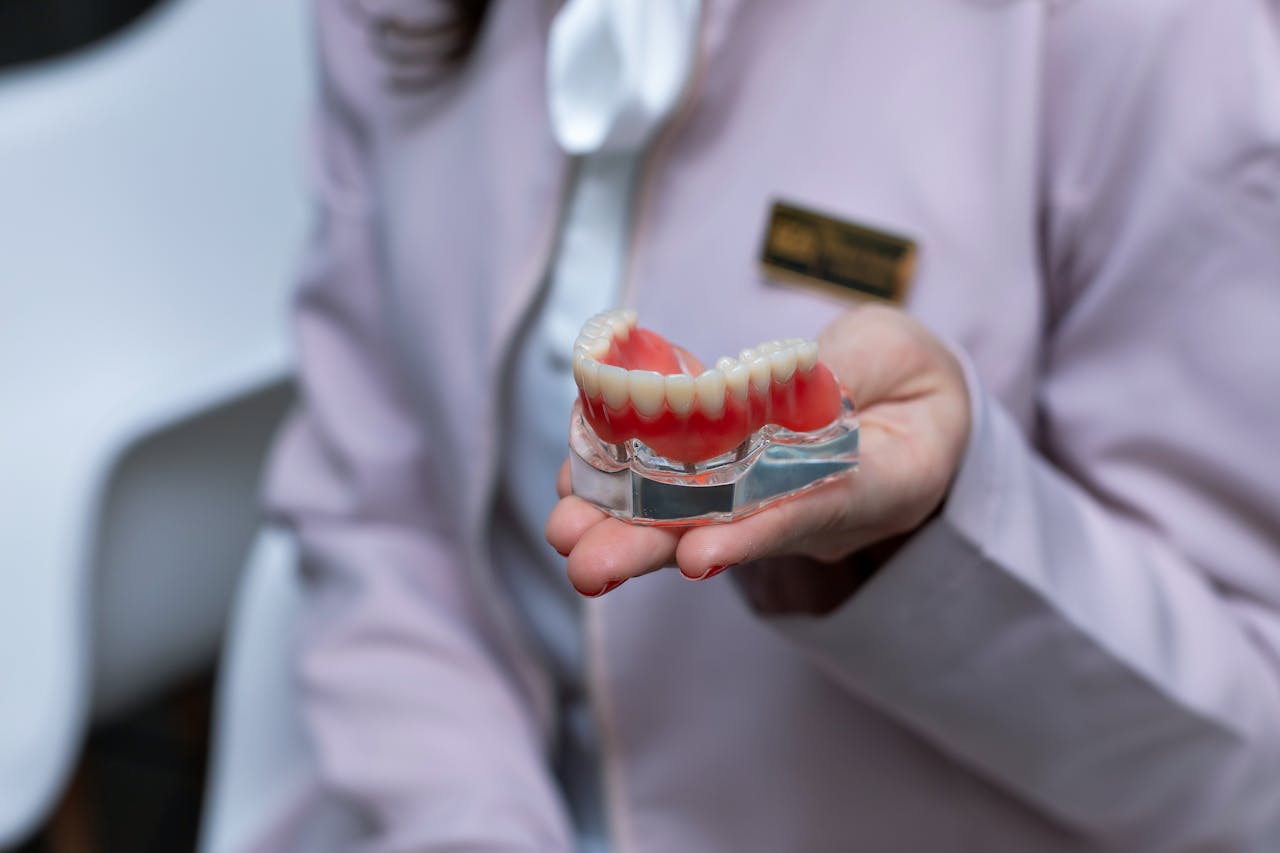
While same day denture repair may seem unrelated at first glance, it reflects a broader expectation in healthcare: timely, efficient, and professional service delivery. The same principle applies in rehabilitation settings, where responsiveness and quality care can significantly influence recovery outcomes. South African rehab centres are increasingly adopting this mindset, ensuring that patients receive immediate attention alongside long-term support.
As global benchmarks continue to evolve, rehabilitation facilities across the country are adapting to meet international best-practice standards. This involves integrating scientific research, improving patient safety, and delivering holistic care that addresses both physical and psychological needs.
Understanding International Best-Practice Standards in Rehabilitation
International best-practice standards in rehabilitation are built on a foundation of clinical research, ethical care, and measurable outcomes. These standards are often defined by global health organisations, including the World Health Organization (WHO) and other regulatory bodies that emphasise patient-centred care.
At their core, these benchmarks focus on several key areas: evidence-based treatment methods, qualified multidisciplinary teams, structured treatment plans, and ongoing monitoring of patient progress. Facilities that align with these standards are expected to demonstrate consistency, accountability, and transparency in how they deliver care.
In South Africa, many rehabilitation centres are increasingly aligning their frameworks with these international expectations. This not only enhances credibility but also ensures that patients receive care comparable to leading facilities worldwide.
Evidence-Based Treatment Models in South African Rehab Centres
One of the most significant ways local rehab centres align with global standards is through the adoption of evidence-based treatment approaches. These methods are backed by scientific research and proven to be effective in treating substance use disorders and mental health conditions.
Cognitive behavioural therapy (CBT), dialectical behaviour therapy (DBT), and motivational interviewing are commonly used techniques. These approaches help patients identify harmful thought patterns, develop coping mechanisms, and build resilience over time.
In addition to therapy, many centres incorporate medically supervised detox programmes. These are designed to manage withdrawal symptoms safely while preparing patients for the next phase of recovery. The combination of medical and psychological care reflects a comprehensive approach that meets international expectations.
The Role of Multidisciplinary Teams
Global best practices emphasise the importance of multidisciplinary care. This means that patients are treated by a team of professionals with diverse expertise, working together to address different aspects of recovery.
South African rehab centres are increasingly adopting this model. Teams often include:
- Medical doctors
- Psychologists
- Addiction counsellors
- Social workers
- Occupational therapists
This collaborative approach ensures that treatment is not one-dimensional. Instead, it considers the patient’s physical health, emotional wellbeing, social environment, and long-term recovery goals.
By integrating multiple perspectives, rehab centres can create more personalised and effective treatment plans, which is a hallmark of international best practice.
Accreditation and Regulatory Compliance
Another critical factor in aligning with global standards is accreditation. Reputable rehab centres in South Africa often seek recognition from local and international accrediting bodies. These organisations evaluate facilities based on strict criteria, including safety protocols, staff qualifications, and treatment effectiveness.
Compliance with national health regulations is equally important. Facilities must adhere to guidelines set by the Department of Health, ensuring that they operate legally and ethically.
Accreditation not only provides assurance to patients but also encourages continuous improvement. Facilities are required to undergo regular assessments, which helps maintain high standards over time.
Patient-Centred Care and Individualised Treatment Plans
International best practices place a strong emphasis on patient-centred care. This approach prioritises the unique needs, preferences, and circumstances of each individual.
In South African rehab centres, this often translates into customised treatment plans. Rather than applying a one-size-fits-all model, professionals assess each patient’s history, severity of addiction, mental health status, and personal goals.
Treatment plans may include a combination of therapy sessions, group support, medical care, and lifestyle interventions. Regular evaluations ensure that these plans remain effective and can be adjusted as needed.
This level of personalisation improves engagement and increases the likelihood of long-term recovery success.
Holistic Approaches to Recovery
Holistic care is another area where South African rehab centres are aligning with global trends. Beyond traditional therapy, many facilities incorporate wellness practices that support overall wellbeing.
These may include physical fitness programmes, nutritional guidance, mindfulness practices, and stress management techniques. The goal is to treat the whole person, not just the addiction.
By addressing underlying issues such as trauma, anxiety, and lifestyle habits, holistic approaches contribute to more sustainable recovery outcomes.
Aftercare and Long-Term Support
Recovery does not end when a patient leaves a rehab facility. International standards emphasise the importance of aftercare and ongoing support to prevent relapse.
South African centres are increasingly offering structured aftercare programmes. These may include follow-up counselling sessions, support groups, and relapse prevention strategies.
Family involvement is also encouraged, as a strong support system plays a crucial role in maintaining sobriety. Education and counselling for family members help create a more supportive home environment.
This long-term perspective ensures continuity of care, which is essential for lasting recovery.
Integration of Technology and Innovation
Modern rehabilitation practices are increasingly influenced by technology. Digital tools are used to enhance treatment delivery, monitor progress, and provide remote support.
In South Africa, some rehab centres are adopting telehealth services, allowing patients to access counselling and support even after leaving the facility. Mobile apps and online platforms are also used to track recovery milestones and provide educational resources.
This integration of technology reflects a forward-thinking approach that aligns with international innovation trends in healthcare.
Continuous Training and Professional Development
Maintaining high standards requires ongoing education and training for staff. International best practices emphasise the importance of continuous professional development to keep up with evolving research and treatment methods.
Many South African rehab centres invest in regular training programmes for their teams. This ensures that staff remain knowledgeable about the latest developments in addiction treatment and mental health care.
Well-trained professionals are better equipped to handle complex cases, provide effective interventions, and support patients throughout their recovery journey.
Key Features That Reflect Global Alignment
Toward the end of evaluating how local facilities measure up, several defining characteristics stand out. These elements collectively demonstrate alignment with international best-practice standards:
- Use of scientifically validated treatment methods
- Presence of qualified, multidisciplinary teams
- Commitment to patient safety and ethical care
- Availability of personalised treatment plans
- Structured aftercare and relapse prevention programmes
- Ongoing staff training and development
- Integration of holistic and wellness-focused therapies
Each of these factors contributes to a higher standard of care and improved patient outcomes.
South African rehab centres have made significant strides in aligning with global best practices. By adopting evidence-based treatments, prioritising patient-centred care, and investing in professional development, these facilities are raising the bar for rehabilitation services.
The healthcare landscape continues to evolve, and expectations around quality and accountability are only increasing. Just as efficiency and reliability are valued in other areas of healthcare—whether it’s emergency interventions or even services like same day denture repair—the same principles apply to rehabilitation. Patients deserve timely, effective, and compassionate care.
As more centres continue to embrace international standards, individuals seeking help can feel more confident in the quality of care available locally. This progress not only benefits patients but also strengthens the overall healthcare system in South Africa.