
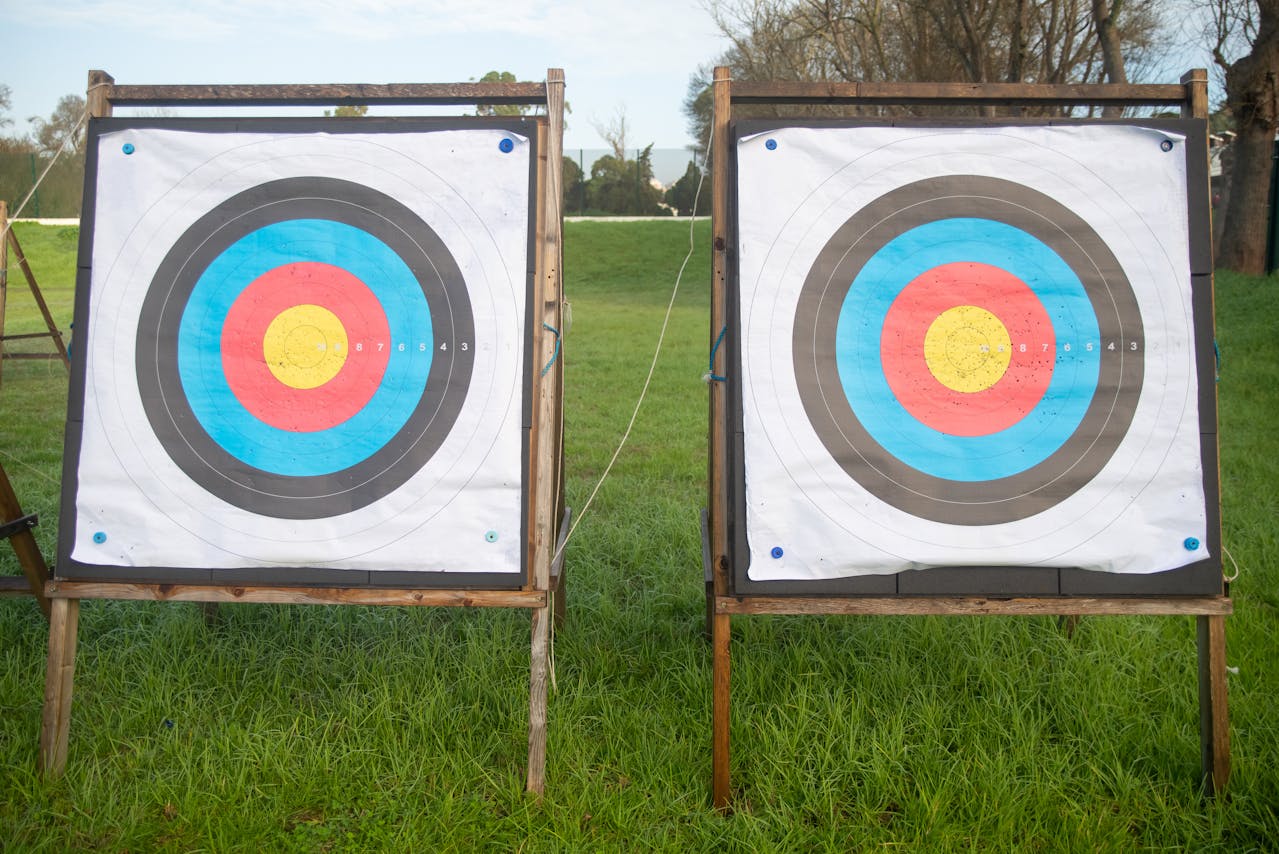
Target shooting with slingshots has evolved from a simple backyard pastime into a precision-based recreational sport enjoyed by both beginners and experienced enthusiasts. With improved materials, better engineering, and a growing community of dedicated users, modern setups now offer far greater consistency and control than traditional designs.
For those exploring the sport for the first time, the variety of equipment can feel overwhelming. Frame shapes, band types, projectile choices, and grip styles all influence performance. As interest grows globally, many users look for reliable information and trustworthy sources, including a well-established slingshot shop South Africa that caters to both entry-level and advanced needs.
At the same time, experienced shooters continue refining their setups for tighter groupings and more consistent shot placement. Whether used for recreational target practice or competitive-style shooting, understanding the right equipment and technique makes a significant difference in performance and safety.
Understanding Target Shooting Slingshots
Target shooting slingshots are designed specifically for accuracy rather than raw power. Unlike improvised or traditional pocket slings, modern designs focus on stability, repeatable draw lengths, and ergonomic grip comfort.
The core components include the frame, bands, and pouch. Each plays a role in how energy is stored and released. A rigid frame helps maintain alignment, while quality elastic bands provide consistent tension. The pouch must securely hold the projectile while allowing a smooth release without twisting or instability.
Precision shooting depends heavily on consistency. Even minor variations in grip or anchor point can shift impact location significantly. This is why structured training and proper equipment selection are essential for anyone aiming to improve accuracy.
Environmental factors also play a role. Wind, lighting conditions, and distance all influence shot placement. Understanding these variables helps shooters adjust technique and expectations in real-world scenarios.
Key Features to Look For
When selecting a slingshot for target shooting, several technical and ergonomic features should be considered. These factors influence accuracy, comfort, and long-term usability.
- Frame stability and material quality, such as stainless steel, reinforced polymer, or aluminum alloys
- Band consistency, including flat bands for speed or tubular bands for durability
- Grip ergonomics to reduce hand fatigue during extended practice sessions
- Fork width, which affects aiming precision and sight picture alignment
- Compatibility with different ammo sizes, from steel balls to clay pellets
Each feature contributes to overall shooting performance. Beginners often benefit from simpler designs with predictable behavior, while advanced users may prioritize tunable systems that allow fine adjustments.
Another important consideration is maintenance. High-quality elastic bands degrade over time and require regular replacement. Frames should be inspected for stress points, especially after repeated high-tension use. Proper upkeep ensures consistent performance and reduces the risk of equipment failure.
Beginner-Friendly Options and Setup Tips
New shooters should prioritize control and comfort over speed or power. A stable grip and predictable band setup are far more important than advanced customization in the early stages.
Entry-level models typically feature wider forks and moderate draw weights. This design reduces aiming difficulty and helps build muscle memory. It is also recommended to start with lighter ammunition to improve accuracy before progressing to heavier projectiles.
Stance and form are equally important. A balanced posture, consistent anchor point near the cheek or corner of the mouth, and smooth release technique all contribute to improved accuracy over time.
Practice routines should remain short and focused. Repetition with proper form is more valuable than high-volume shooting without structure. Consistency builds confidence and reduces bad habits that are difficult to correct later.
Advanced Slingshot Options for Experienced Users
Experienced shooters often move toward specialized setups designed for fine-tuning performance. These may include adjustable band systems, compact frames for faster aiming, and higher tension configurations for increased projectile speed.
Precision-oriented designs often emphasize reduced fork width to improve target visibility alignment. While these setups can increase difficulty, they also reward refined technique with tighter shot grouping.
Many advanced users experiment with different band configurations to balance speed and control. Flat bands are commonly used for competitive-style shooting due to their efficiency, while layered or tapered bands can provide customized draw resistance.
At this level, tuning becomes a critical skill. Small adjustments in band length or pouch alignment can significantly impact accuracy. Shooters often test multiple configurations to find their optimal setup for specific distances.
A knowledgeable slingshot shop in South Africa can be particularly valuable here, offering guidance on advanced setups and providing access to specialized components not typically found in basic retail environments.
Safety, Accuracy, and Responsible Use
Safety remains a foundational aspect of target shooting with slingshots. Even though the activity is recreational, the energy released by modern bands is significant enough to cause injury if misused.
- Always shoot in a controlled environment with a safe backstop
- Wear eye protection during practice sessions
- Inspect bands before each use for signs of wear or cracking
- Never aim at people, animals, or unintended targets
- Store equipment securely away from children
Accuracy and safety are closely linked. A controlled shooting environment not only prevents accidents but also improves focus and consistency. Distractions or unsafe conditions often lead to poor form and inconsistent results.
Responsible use also includes understanding local regulations and ensuring compliance with any applicable restrictions regarding projectile devices.
Choosing the Right Setup for Your Skill Level
Selecting the right equipment depends heavily on experience and intended use. Beginners benefit from forgiving designs that prioritize ease of learning, while experienced users often seek customization and precision tuning.
A gradual progression approach is recommended. Starting with a basic frame and moderate bands allows shooters to develop proper technique before transitioning to more demanding setups. Over time, incremental upgrades can enhance performance without overwhelming the learning process.
Many enthusiasts find that visiting a specialized slingshot shop helps streamline this process, as knowledgeable guidance can simplify decision-making and reduce trial-and-error purchases.
Ultimately, consistency is more important than complexity. A well-balanced setup that matches the shooter’s skill level will always outperform an advanced configuration used without proper technique.
Final Considerations for Consistent Improvement
Progress in target shooting depends on patience, repetition, and careful attention to detail. Equipment plays a role, but technique remains the dominant factor in long-term improvement.
Structured practice, combined with safe handling habits and appropriate gear selection, leads to steady development of accuracy and control. Over time, shooters refine not only their aim but also their understanding of how small adjustments affect results.
For those committed to improving their skills, maintaining a consistent setup and refining technique gradually will always yield better outcomes than frequent, unnecessary changes in equipment or approach.