
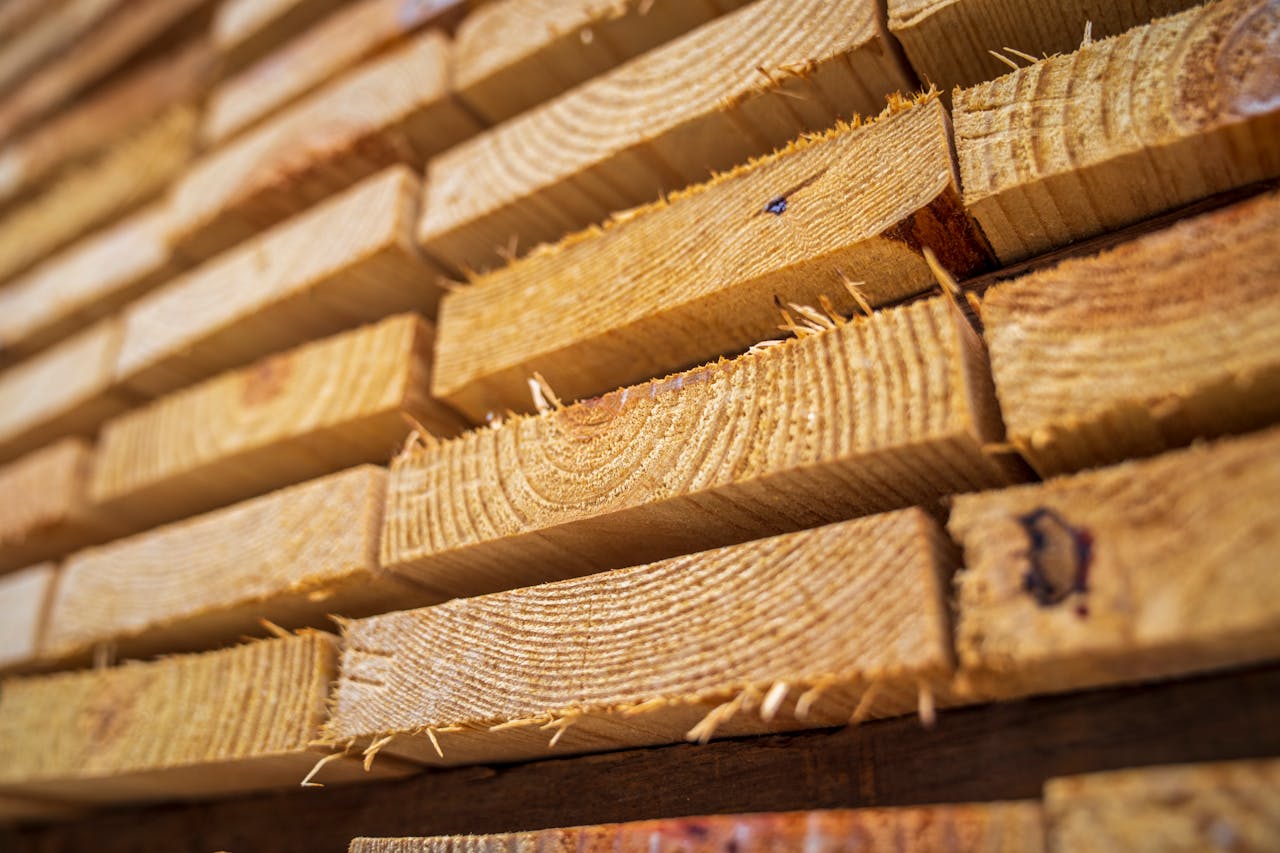
Timber packaging plays a critical role in protecting goods during international transit, especially for businesses involved in manufacturing, agriculture, and heavy industry. From crates and pallets to custom-built wooden enclosures, these solutions are designed to safeguard products against physical damage, contamination, and environmental exposure during long shipping journeys.
For companies operating in global markets, understanding compliance requirements is just as important as ensuring durability. Regulations governing wood packaging materials are strict, and failure to meet them can result in costly delays, rejected shipments, or even fines. This makes it essential for exporters to work with knowledgeable suppliers and stay informed about international standards.
Many organisations exploring timber packaging for export South Africa are often surprised by the level of detail involved in selecting the right materials, treatments, and documentation. Getting these elements right from the start can significantly streamline logistics and reduce risk across the supply chain.
Understanding International Phytosanitary Standards
One of the most important considerations in export packaging is compliance with international phytosanitary regulations. These rules are designed to prevent the spread of pests and diseases through untreated wood materials.
The globally recognised standard, ISPM 15, requires that all solid wood packaging be treated and marked accordingly. Treatment methods typically include heat treatment or fumigation, both of which eliminate harmful organisms that could threaten ecosystems in importing countries.
Each compliant piece of packaging must carry a clearly visible stamp indicating the treatment method, country of origin, and certification number. Without this marking, shipments may be delayed, quarantined, or refused entry entirely.
Choosing the Right Type of Timber Packaging
Different products require different packaging solutions, and selecting the correct type is essential for both protection and efficiency. Exporters must consider factors such as weight, fragility, dimensions, and transport conditions.
Heavy machinery, for example, often requires reinforced wooden crates with internal bracing to prevent movement. Agricultural products might need ventilated designs to maintain airflow, while sensitive equipment may benefit from sealed packaging with moisture barriers.
Customisation is often necessary. Off-the-shelf pallets or crates may not provide adequate support for irregularly shaped or high-value items. Tailored designs ensure optimal load distribution and reduce the risk of damage during handling and transit.
The Importance of Proper Timber Treatment
Untreated timber can harbour insects, fungi, and other contaminants that pose risks to agriculture and natural ecosystems. This is why treatment is not just a regulatory requirement but also a critical quality assurance measure.
Heat treatment involves raising the core temperature of the wood to a specified level for a set duration, effectively killing pests without the use of chemicals. Fumigation, on the other hand, uses approved substances to achieve a similar outcome.
Both methods have their place, but heat treatment is generally preferred due to its environmental benefits and broader international acceptance. Businesses should ensure that their packaging supplier is certified and follows verified treatment protocols.
Documentation and Compliance Requirements
Exporting goods involves a significant amount of paperwork, and timber packaging is no exception. Proper documentation helps customs authorities verify that all materials meet regulatory standards.
Common requirements include treatment certificates, compliance declarations, and inspection reports. These documents should align with the markings on the packaging itself to avoid discrepancies.
Inconsistent or missing paperwork can lead to delays at ports, additional inspections, or even shipment rejection. Maintaining accurate records and working with experienced logistics partners can help mitigate these risks.
Environmental Considerations and Sustainability
Sustainability is becoming increasingly important in global trade, and timber packaging is often viewed as an environmentally friendly option when sourced responsibly.
Wood is renewable, biodegradable, and recyclable, making it a preferred material for many businesses aiming to reduce their environmental footprint. However, responsible sourcing is key. Timber should be obtained from sustainably managed forests and certified suppliers.
Reusability is another advantage. High-quality wooden crates and pallets can often be reused multiple times, reducing waste and lowering long-term costs. Some companies also implement return systems to recover and refurbish packaging materials.
Cost Factors and Budget Planning
While timber packaging is generally cost-effective, several factors can influence the final price. These include the type of wood used, the complexity of the design, treatment processes, and transportation logistics.
Custom-built solutions tend to be more expensive upfront but can provide better protection and reduce the likelihood of damage-related losses. Standardised options may be cheaper but might not offer the same level of security for specialised goods.
Businesses should also consider indirect costs such as compliance, documentation, and potential delays. Investing in high-quality packaging from the outset can often result in long-term savings.
Working with Reliable Packaging Suppliers
Choosing the right supplier is one of the most important decisions in the export process. A reputable provider will not only supply compliant packaging but also offer guidance on best practices and regulatory requirements.
Experience in international shipping is crucial. Suppliers familiar with export standards can help businesses navigate complex regulations and avoid common pitfalls. They can also provide insights into packaging design, material selection, and cost optimisation.
Communication is key. Clear collaboration between the exporter, packaging provider, and logistics team ensures that all requirements are met and that the packaging aligns with the overall shipping strategy.
Common Mistakes to Avoid
Despite the availability of guidelines and standards, businesses often make avoidable errors when it comes to export packaging. These mistakes can lead to delays, increased costs, and damaged goods.
Toward the end of the process, it helps to keep these critical points in mind:
- Using untreated or improperly treated wood materials
- Failing to include correct ISPM 15 markings on packaging
- Overlooking documentation requirements or inconsistencies
- Choosing packaging that does not match the product’s weight or fragility
- Ignoring environmental conditions such as humidity and temperature
- Working with unverified or inexperienced suppliers
Avoiding these pitfalls requires careful planning, attention to detail, and a proactive approach to compliance.
Preparing Your Business for Export Success
As global trade continues to expand, the demand for reliable and compliant packaging solutions will only grow. Businesses that invest time in understanding requirements and implementing best practices are better positioned to compete in international markets.
Whether shipping locally manufactured goods or large-scale industrial equipment, the right approach to timber packaging for export South Africa can make a significant difference in operational efficiency and customer satisfaction. By prioritising quality, compliance, and sustainability, exporters can reduce risks and build stronger relationships with international partners.
A well-executed packaging strategy does more than protect products—it supports the entire supply chain, enhances brand reputation, and contributes to long-term business success.